
Two-piece can manufacturing line solutions configured around the required production scope, plant layout and integration requirements, with engineering support from project review through installation, commissioning and after-sales where included in the agreed scope.
A two-piece can manufacturing project should be defined at the complete-line level rather than around a single machine. The required production objective, factory layout, available utilities, existing equipment, and interfaces between the different production sections all influence the final line configuration.
ASIBEX reviews the available project information during the RFQ stage to define the required system boundary before quotation. This page focuses on complete two-piece can manufacturing lines, while individual machine sections are covered separately within the dedicated Can Making Machines scope.
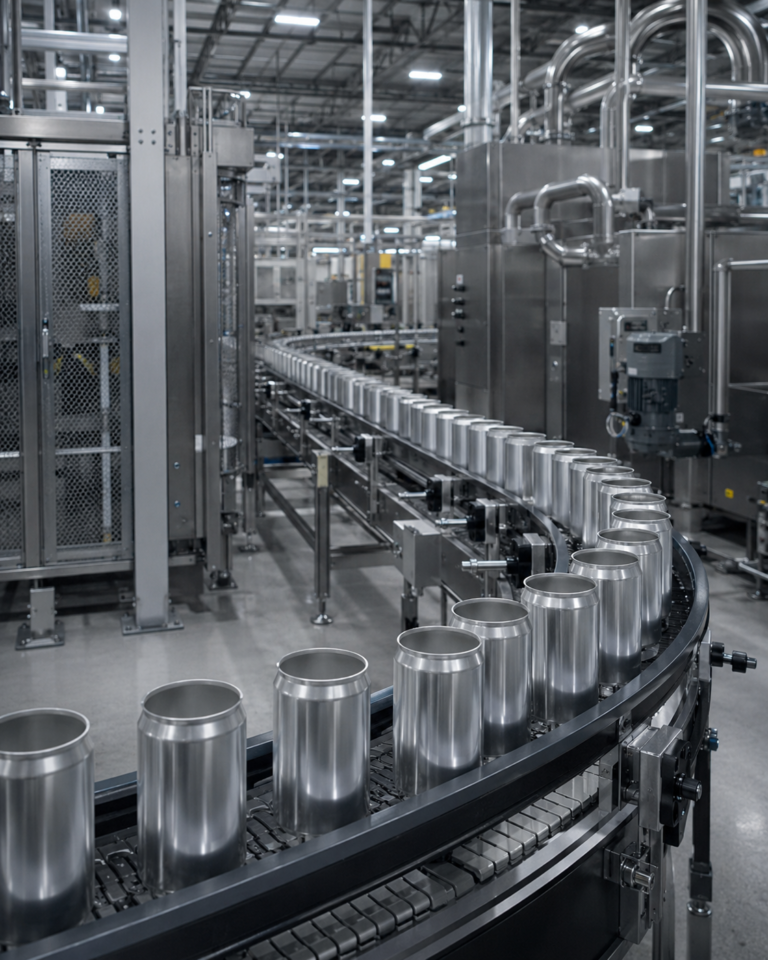
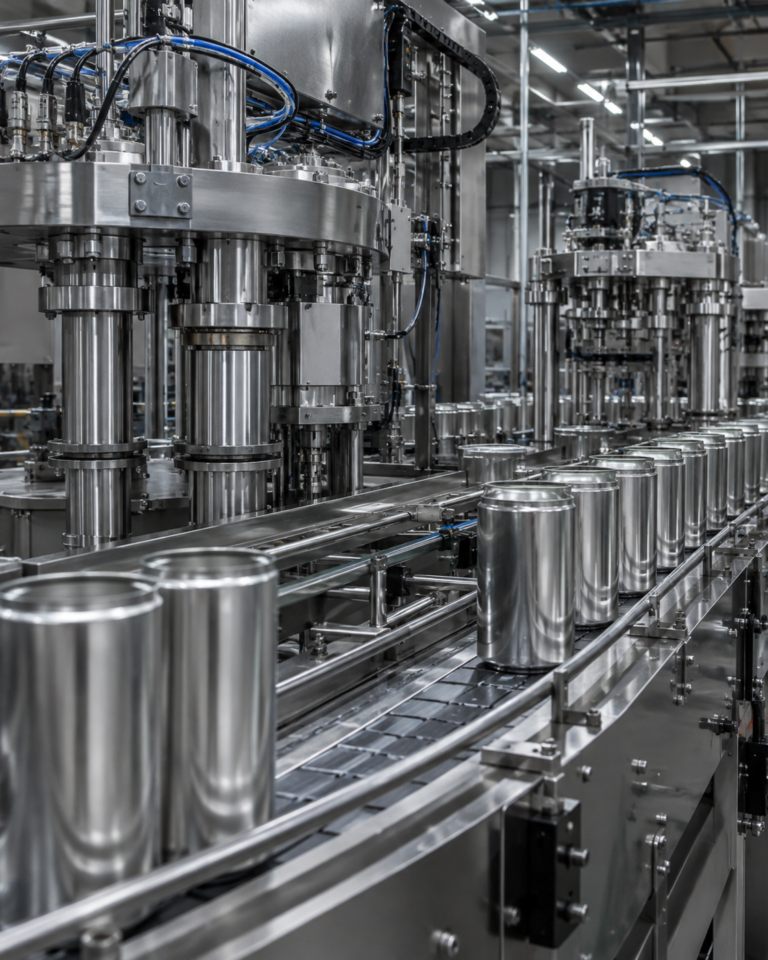
ASIBEX supports complete two-piece can manufacturing line projects for customers across international markets, with particular focus on Asia and Africa. Each project is reviewed according to the required production capacity, factory layout, site conditions, existing or planned equipment, and the agreed scope of supply.
The final line configuration is defined through technical review based on the actual project requirements. Can format, material specifications, production capacity and machine configuration are therefore confirmed for each project rather than presented as fixed specifications for every installation.
The required supply scope should be established from the actual project requirements. A project may involve a new complete line, integration with existing plant equipment or a defined group of production sections, depending on the agreed project boundary.
The final equipment list and responsibilities must therefore be confirmed during the technical review rather than assumed from a generic two-piece can line description.
The line architecture is developed around the required production outcome and the equipment scope confirmed for the project. Each production section must be reviewed as part of the complete system so that mechanical, operational and layout interfaces are established before quotation.
Detailed machine sequence and process parameters should only be published when supported by validated ASIBEX or supplier technical documentation.
The final line configuration should be reviewed against the available factory space, utilities and any upstream or downstream equipment already installed or planned for the project. Existing-line projects require clear information about the surrounding equipment so that the required interfaces can be assessed before quotation.
If individual can-making machine sections are required rather than a complete line, those requirements should be identified separately and reviewed under the applicable machine-level scope.
To review the project accurately, provide the required can application, target production capacity, project country, available factory layout, existing or planned equipment, project stage and any technical documentation already available.
If the project involves integration with an existing line, include information about the equipment that must connect with the proposed system.
Where included within the agreed project scope, ASIBEX can support installation, commissioning and relevant operator or technical training for the supplied two-piece can manufacturing equipment. The interfaces between supplied sections and the surrounding plant equipment should be confirmed before start-up.
After commissioning, technical and after-sales support is linked to the supplied equipment and the applicable project terms. Warranty periods, response times and service-level commitments are confirmed project by project rather than stated as fixed website claims.
Yes. The focus is on complete two-piece can manufacturing line projects, with the final line boundary and equipment scope defined according to the actual production requirements and technical review.
CAN-002 is approved for global targeting with strategic focus on Asia and Africa. The final commercial and technical scope is confirmed for the specific project country during the RFQ review.
Provide the required can application, target production capacity, project country, factory layout, existing or planned equipment and any available technical documents so the project scope can be reviewed before quotation.
Share your production target, project location, available factory layout and technical information so our engineering team can review the line scope required for quotation.
